As someone with naturally fine hair, I’ve always been curious about semi-permanent extensions. Clip-ins are great for occasional volume, but they aren’t the most practical for everyday wear. They can feel bulky, require daily styling effort, and aren’t ideal for workouts, humid weather, or long days.
After hearing more about sew-in wefts making a comeback in salons-especially newer, more discreet versions, I decided to try them for myself.
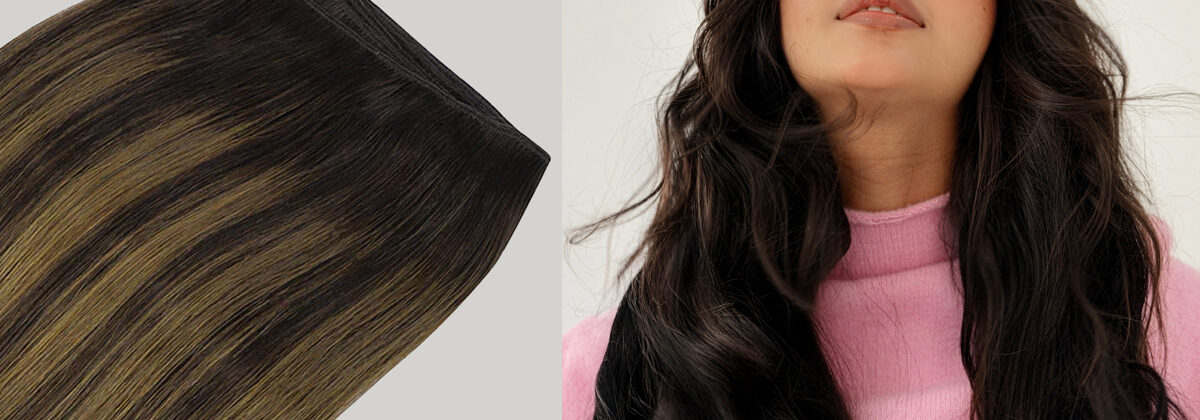
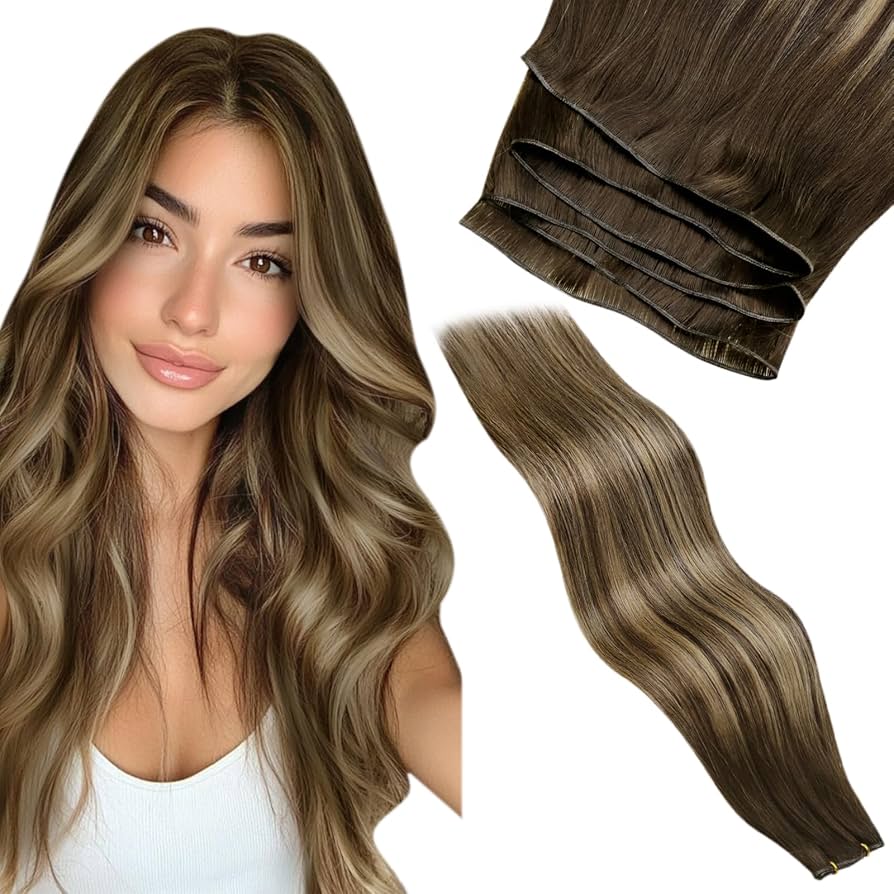
For this test, I compared two types of weft extensions: a traditional sew-in weft and a newer “genius” (ultra-thin) weft design, which is often described as flatter and more seamless.
After wearing each for several weeks, here’s my honest experience.
What Are Sew-In Weft Hair Extensions?
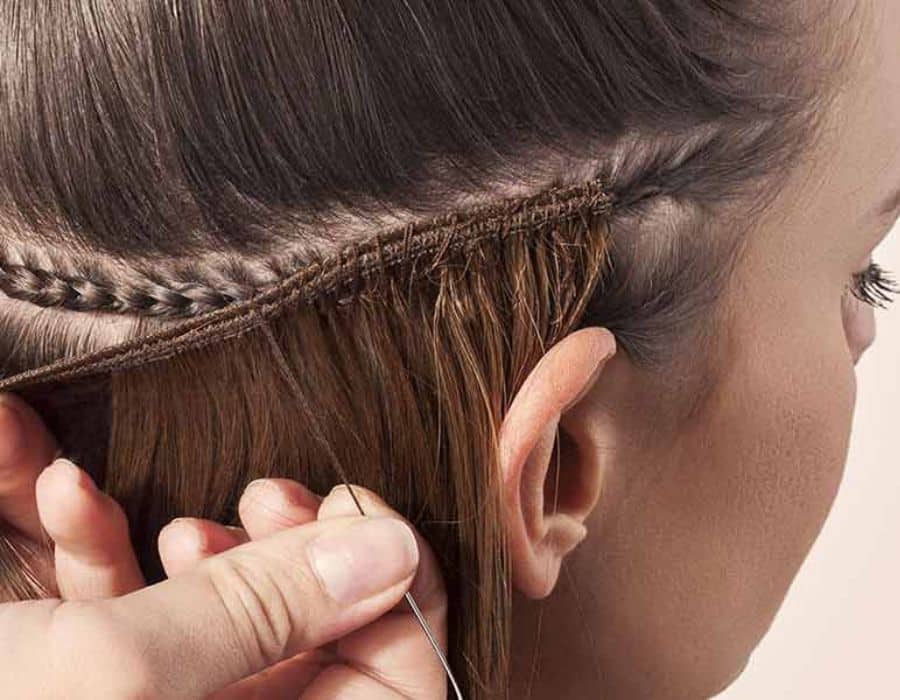
Sew-in wefts are a semi-permanent extension method typically installed by a professional stylist. Instead of clipping extensions in daily, the wefts are sewn onto a base, usually created with beads or small anchor points-forming a secure row that sits close to the scalp.
This installation method allows the extensions to stay in place for six to eight weeks, depending on hair growth and maintenance.
Because the hair is attached along a weft, this method distributes weight evenly and can add both length and density without relying on adhesives or daily removal. For many people, this makes sew-in wefts a lower-maintenance option compared to tape-ins or clip-ins.
That said, they do require regular upkeep appointments, especially as natural hair grows and the rows begin to loosen.
The Testing Process
To compare both types fairly, my stylist installed each using the beaded row method, which is a common technique for sew-in extensions.
I wore each type for several weeks and treated them as I would my natural hair-washing, blow-drying, curling, straightening, and wearing them in different styles like ponytails and loose waves.
Both types were made from Remy human hair, meaning the cuticles are aligned in the same direction. This is important because it helps prevent tangling and allows the hair to behave more like natural strands.
What I was most interested in wasn’t just how they looked on day one, but how they felt after days of wear, during sleep, and in everyday situations like tying my hair up or running my fingers through it.
Traditional Sew-In Weft
The first type I tried was the classic sew-in weft.
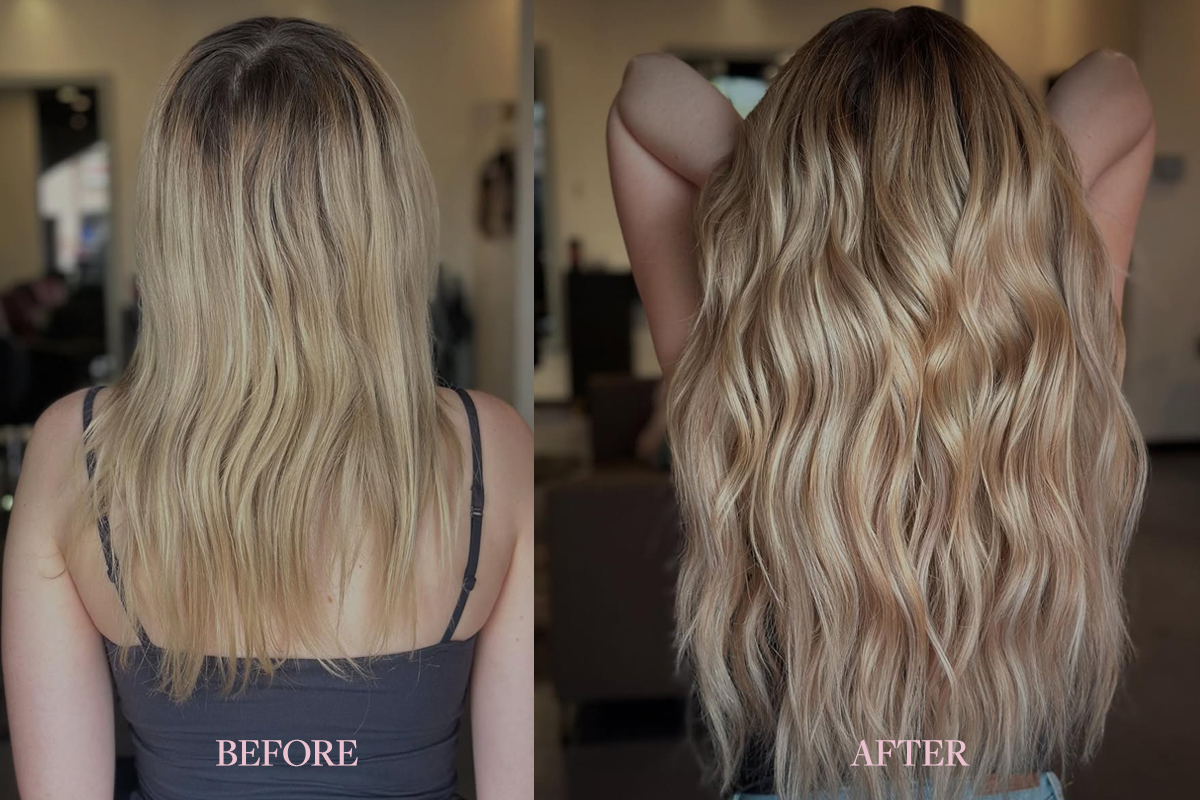
Immediately after installation, the most noticeable difference was the increase in volume. My hair looked significantly fuller, almost dramatically so, especially when styled with curls. The added density made my hair appear thicker from root to ends, which is something I typically struggle to achieve.
The weft itself felt sturdy and structured, which contributed to a very secure overall feel.
What Stood Out
- Adds noticeable thickness and fullness
- Creates a voluminous, styled look with minimal effort
- Holds curls and waves well over time
- Feels secure and durable
Things to Keep in Mind
The seam is slightly thicker compared to newer designs. While it wasn’t uncomfortable, I could feel it more easily when touching my scalp or styling close to the roots.
For someone with thicker natural hair, this may blend more easily. But with finer hair, there’s a slight learning curve in styling to ensure the weft remains fully concealed.
I also noticed that when wearing very sleek styles, like a tight ponytail, the weft required more strategic placement to stay hidden.
Genius (Ultra-Thin) Weft
Next, I tried the newer ultra-thin weft design.
The difference in feel was immediate. The weft sat much flatter against my scalp and felt more flexible overall. It moved more naturally with my hair, which made it less noticeable both visually and physically.
One detail I appreciated was the smoother finish along the seam. Traditional wefts can sometimes have short return hairs that stick out slightly, but this design minimized that effect, which made the extensions feel softer throughout the day.
What Stood Out
- Thinner seam that lies closer to the scalp
- Lightweight and flexible
- Blends more easily with fine hair
- Feels less noticeable during daily wear
Things to Keep in Mind
Because the weft is thinner, it doesn’t have the same structured feel as the traditional version. This didn’t impact the final look, but it may require a stylist who is familiar with working with finer wefts.
In terms of volume, it still added fullness, but in a slightly more natural, less dramatic way compared to the traditional weft.
Comfort and Everyday Wear
One of the biggest differences between the two came down to comfort over time.
With the traditional weft, I was more aware of where the extensions were placed, particularly during the first few days after installation. Sleeping took a bit of adjustment, especially when lying directly on the rows.
The ultra-thin weft, on the other hand, felt easier to forget about. It sat flatter and didn’t create as much tension at the scalp, which made a noticeable difference during long days or when wearing my hair up.
Both types became more comfortable after the initial adjustment period, but the thinner weft required less getting used to overall.
Maintenance and Care
Caring for sew-in wefts requires a slightly different routine than temporary extensions.
I found myself being more mindful when washing my hair, focusing on cleansing the scalp without disturbing the rows. Drying thoroughly, especially at the roots, was also important to prevent moisture from lingering near the base.
Brushing required a gentle approach, starting from the ends and working upward while supporting the weft to avoid pulling.
In general, both types required similar care, though the thinner weft felt a bit easier to manage when detangling because it moved more naturally with my hair.
How They Performed During Styling
Both types handled styling well, which was one of the most reassuring aspects of the experience.
They responded to heat tools like natural hair and held styles effectively. Curls lasted for days with minimal touch-ups, and straight styles maintained a smooth finish.
Blending was also relatively easy after my stylist added layers to integrate the extensions with my natural hair.
The main difference showed up in how the wefts behaved at the root: the thinner weft allowed for slightly more natural movement, while the traditional weft provided more built-in volume.
Sew-In Weft vs. Genius Weft – Key Differences
The choice between the two comes down largely to personal preference, lifestyle, and hair type.
Traditional sew-in wefts may suit you if you want:
- Maximum volume and density
- A more structured, secure feel
- A fuller, more dramatic finished look
Ultra-thin (genius) wefts may suit you if you prefer:
- A flatter, less noticeable seam
- A lightweight feel for daily wear
- A more natural blend with fine or low-density hair
Final Thoughts
Trying sew-in weft extensions gave me a new perspective on semi-permanent hair options. Compared to clip-ins or tape-ins, they offer a more consistent, low-effort way to maintain volume and length throughout the day.
Between the two types, the ultra-thin weft stood out as slightly more comfortable and adaptable for everyday wear. Its flatter design made it easier to forget I was wearing extensions at all.
That said, the traditional weft delivered a level of fullness that’s hard to ignore, especially if your goal is a more dramatic transformation.
Ultimately, both options have their place. The best choice depends on how much volume you want, how sensitive your scalp is, and how seamlessly you want the extensions to blend with your natural hair.
If you’ve been considering weft extensions but have hesitated due to concerns about bulk or visibility, newer ultra-thin designs may offer a more subtle, comfortable alternative, particularly for finer hair types.



I’m Anita Kantar, a seasoned content editor at Beautified Designs, where I meticulously align every piece with our goals. Joining this team marked a significant milestone in my career journey. Beyond work, you’ll find me immersing myself in literature, cherishing moments with loved ones, and indulging in lifestyle, travel, and culinary adventures. Oh, and I have an undying love for fashion and makeup, too!